What do an athlete's distended belly, leaking during heavy lifts, and the lower back or neck strain your clients keep complaining about actually have in common?
Intra-Abdominal Pressure
Under Control
The difference between being just another trainer and becoming the go-to expert everyone recommends when nobody else has been able to help.
Demonstrable with your clients and students from session one.
Discover what connects the leaks your client brushes off as "normal," the lower back pain that won't budge, and the belly that stays bloated no matter how much core work she does.
Instant access · No expiration date · Limited-time offer
"She lifts heavy, so a little leaking is just normal."
"Her belly's still bloated, but she eats well and trains hard. I don't know what else to tell her."
"Her neck tenses up before her legs even get close to failure. I keep giving her more shoulder mobility work, but it never quite adds up."
"She's nailing the plank exactly the way I taught her, and she's still struggling with that lower back pain that comes and goes with no clear pattern."
We've normalized symptoms that affect our clients' performance and self-esteem (and that the right work can actually resolve)
Years ago, a sportswear ad in Spain bragged that if you leaked a little while training, the fabric dried so fast it was like it never happened.
That's absolute madness.
And it's not an isolated case. It's exactly what's happening in your studio every week, just without the cameras (and often, suffered in silence).
What you're already doing "right" (and why it doesn't always work the way you'd expect)
Your clients can have the most defined six-pack in the gym and still have a diaphragm so tight they can't even slide their own fingers under their ribcage.
"Draw your belly button to your spine" activates the transverse abdominis voluntarily, not reflexively.
It's the classic abdominal hollowing cue you were taught to "protect the lower back." The problem is it confuses the visual result, sucking in the abdominal wall, with the actual mechanism: reprogramming doesn't happen by pulling your stomach in, it happens through rib cage expansion.
Flattening your lower back into the floor isn't the same as a neutral pelvis.
It's another classic cue from Pilates and fitness. But pressing your lumbar curve flat against the floor isn't neutral, it's a forced posterior pelvic tilt. There should almost always be a small gap there.
Classic weight room bracing holds tension exactly where the body needs to release it.
That sharp exhale you use when lifting a heavy load keeps the obliques and transverse abdominis switched on and sustained. In many cases, that's the exact opposite of what the system needs to decompress.
There's no such thing as "perfect posture" as a clinical goal.
Postural re-education isn't about holding one rigid position all day. The goal is a system efficient enough to reorganize itself as things change, not the aesthetics of alignment.
Reducing the interrectal distance is not the same as resolving a diastasis.
Just because the gap between the rectus muscles looks smaller doesn't mean the abdominal wall is transferring load properly.
Isolated pelvic floor training often doesn't produce clinical improvement.
If you've had a client doing classic Kegels for months with no progress, it's not a compliance issue. It's that the pelvic floor almost never responds when it's trained in isolation from the rest of the system.
All of this has an explanation — and it has nothing to do with genetics, metabolism, or body composition.
It comes down to how your client's intra-abdominal pressure is being managed, to diaphragm-pelvic floor synergy, and to how that synergy gets disrupted by compensatory breathing and postural patterns.
The good news: this is something you can assess, measure, and correct. And that's exactly what you'll learn to do in this workshop.

Dr. Tamara Rial
Co-founder & Creator, Low Pressure Fitness Training SystemPhD in Physical Activity and Sports Sciences, specialist professor in the Department of Health and Physical Education at Monmouth University (NJ), and coordinator of the Human Performance Laboratory.
Co-founder and creator of the Low Pressure Fitness Training System, with an International Distinction on her doctoral thesis in Physical Activity and Sports Sciences.
Author of more than 60 peer-reviewed scientific articles. Creator of the Fascial Breathing methodology.
While most fitness methods stay frozen in the year they were created, this one keeps evolving with every study she publishes.
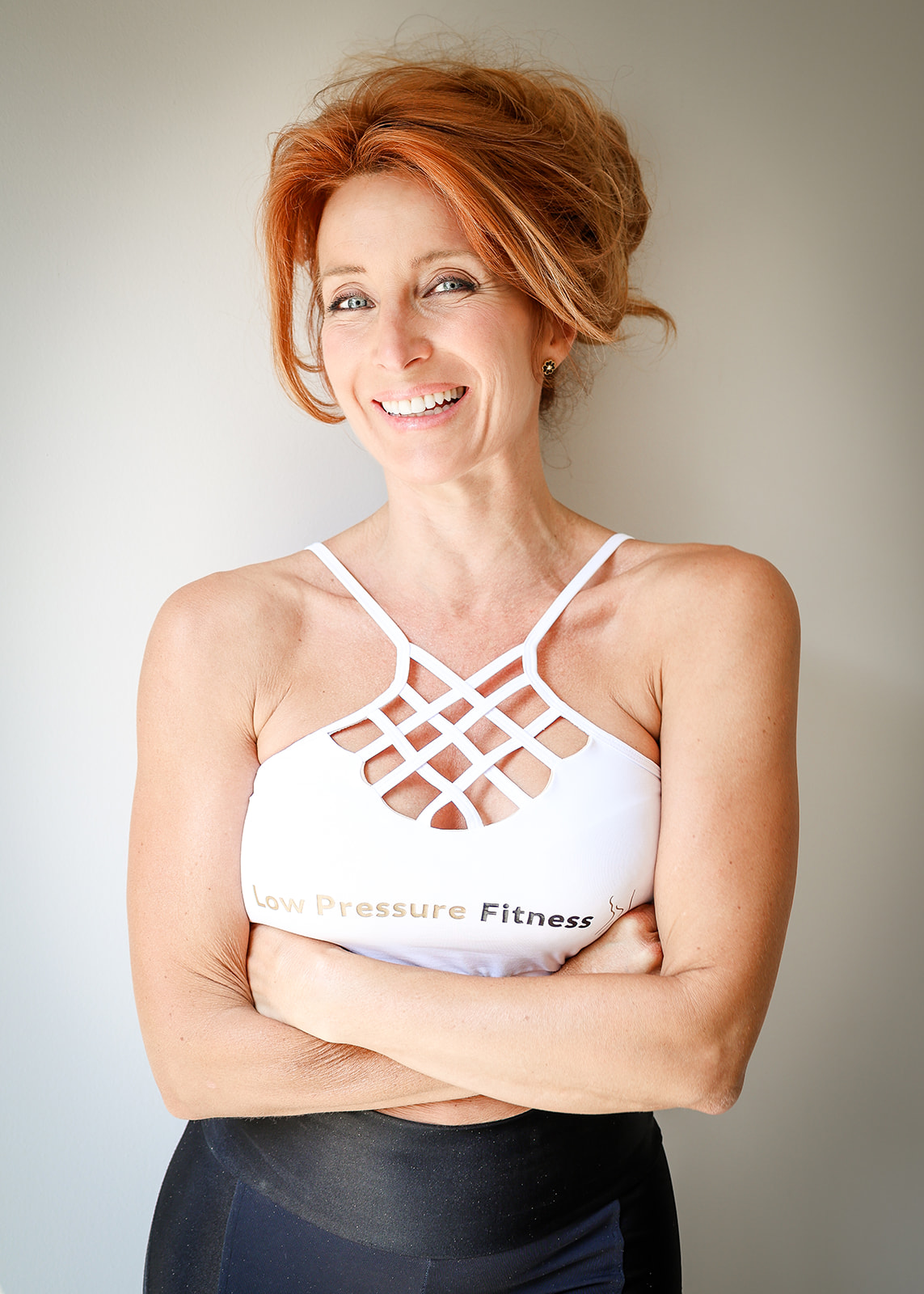
Alexa Marine
Director, LPF UK & International Master CoachEducation Specialist, +20 years Fitness Coach and LPF & Fascial Breathing International Master Coach.
Director of LPF UK and International Master Coach with more than 20 years as a fitness specialist and trainer of professionals. Holds a degree in Pedagogy and Education from the University of Barcelona.
Has contributed to health segments on channels like Fox 5 and Telemundo. Trains high-level clients around the world, from postpartum mothers to celebrities, world-renowned singers, and Olympia champions and other bodybuilding titleholders.

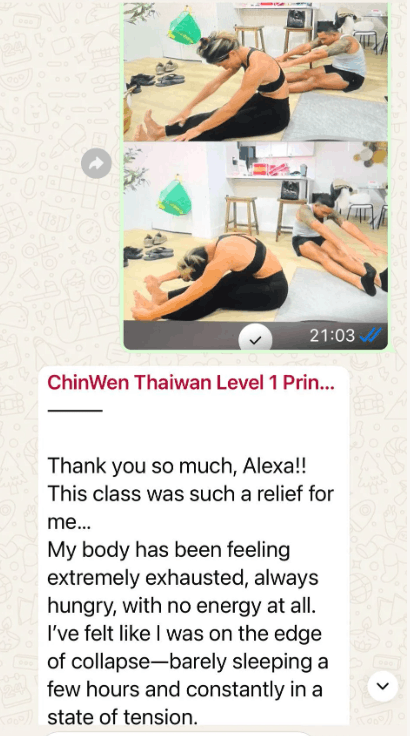


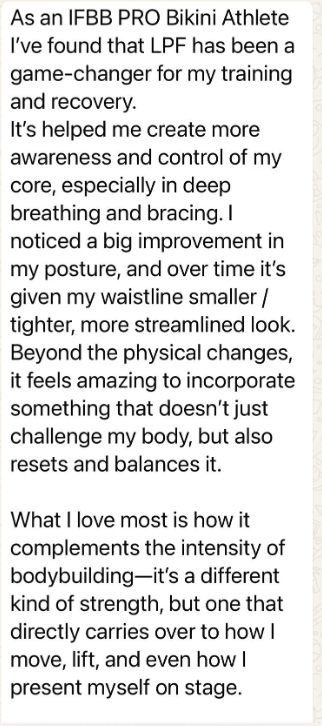
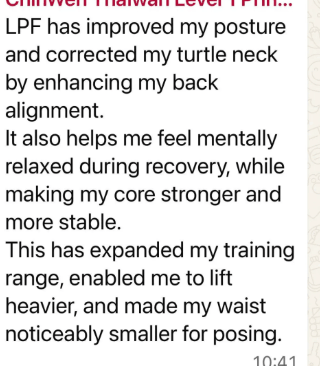
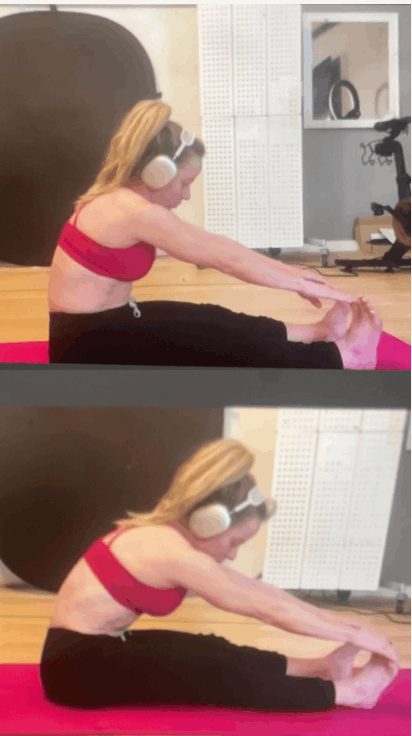
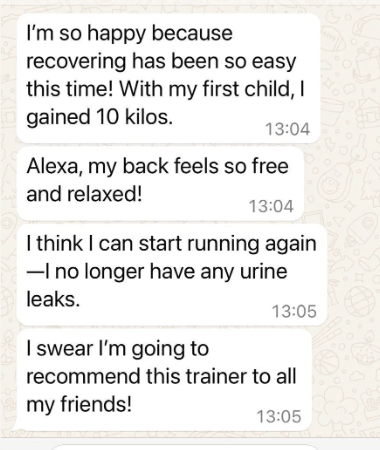



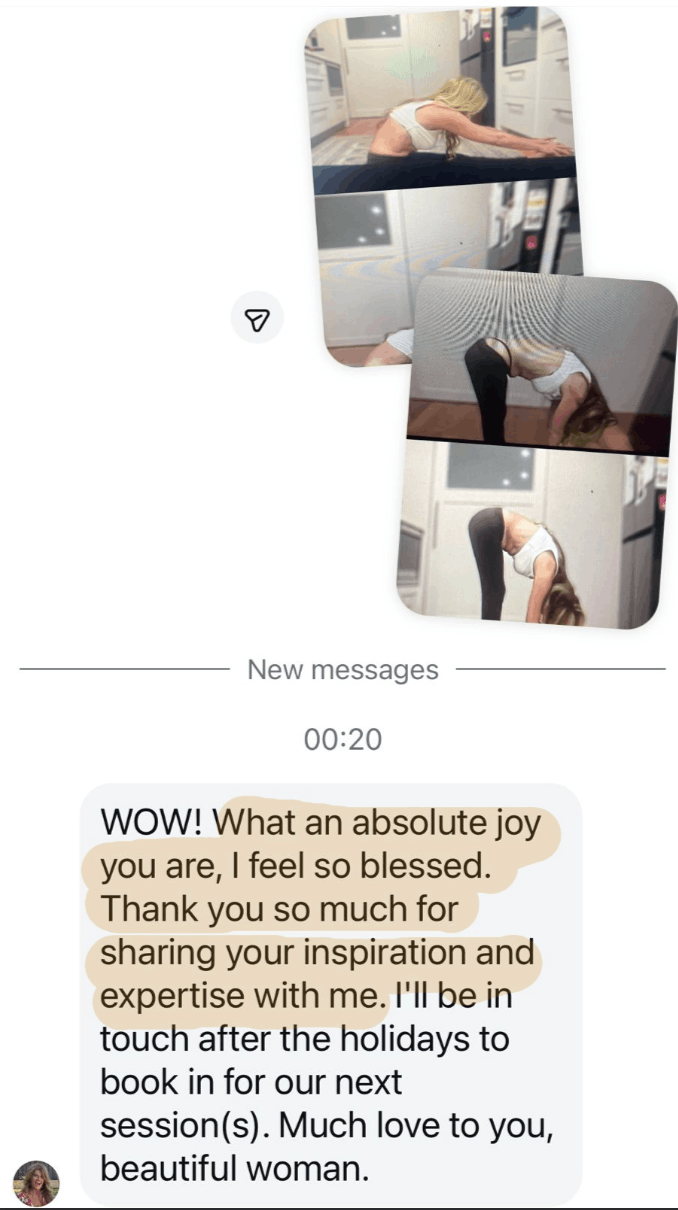
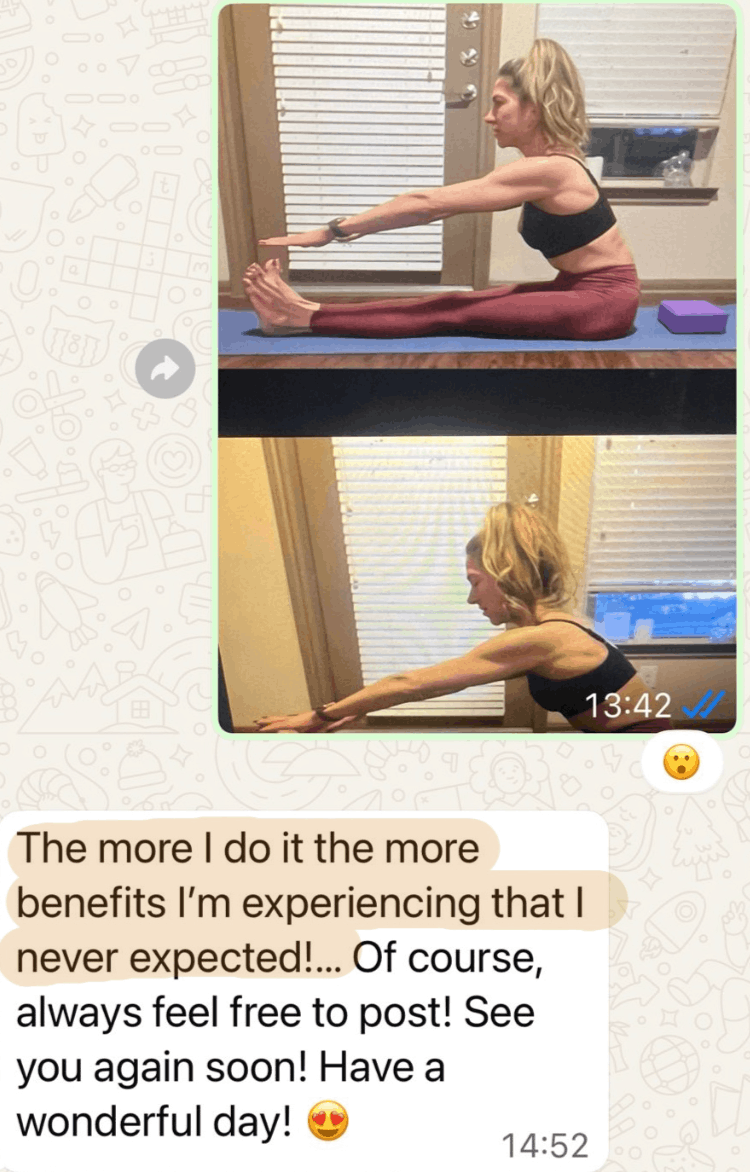
You'll win over your clients and students with the results they get from pressureless training, without needing...
...to be a physical therapist or have any prior clinical training. You'll understand and apply what you learn from your very first session, whatever your background.
...to stop training your high-performance athletes hard. It fits in as a warm-up and a pressure-management tool, not a replacement for strength training.
...to put pregnant, hypertensive, or post-surgical clients at any risk. It can be practiced without breath holds from minute one.
...your client to nail the "Instagram-perfect" abdominal vacuum right away. Nobody gets it on day one.
...any equipment beyond a yoga block, a towel, and a comfortable surface. Nothing you don't already have in your studio.
...without having that same recurring injury keep flaring up in the same spot with that one client, month after month.
...an endless learning curve before you see anything. You'll measure a change in your own body before you even finish the workshop.
...to choose between training heavy and taking care of your clients' core and pelvic floor. You'll learn how to do both at once.
Why diaphragmatic hypertonicity doesn't show up to the naked eye in a trained abdomen. And how to detect it in your own body before you go looking for it in your client's.
What's really going on when someone's neck tenses up before the target muscle even reaches failure. It's not just a shoulder mobility issue. There's something else happening underneath.
Why voluntary "belly button to spine" abdominal retraction doesn't activate the same mechanism as reflexive abdominal wall reprogramming. And what to do instead.
How to read, just by looking at the space under your client's lower back while they're lying supine, whether their pelvis is in an anterior tilt, a posterior tilt, or neutral. Find out whether your client's issue is coming from posture, breathing, or both, with no clinical assessment equipment needed.
Why the right side of your client's abdomen almost always holds more tension than the left, and which internal organ is behind that asymmetry.
How to activate diaphragm-pelvic floor synergy distally, through the lower body's myofascial chain.
A fully sequenced 15-minute practice flow — ready to use on yourself or with your students from day one.
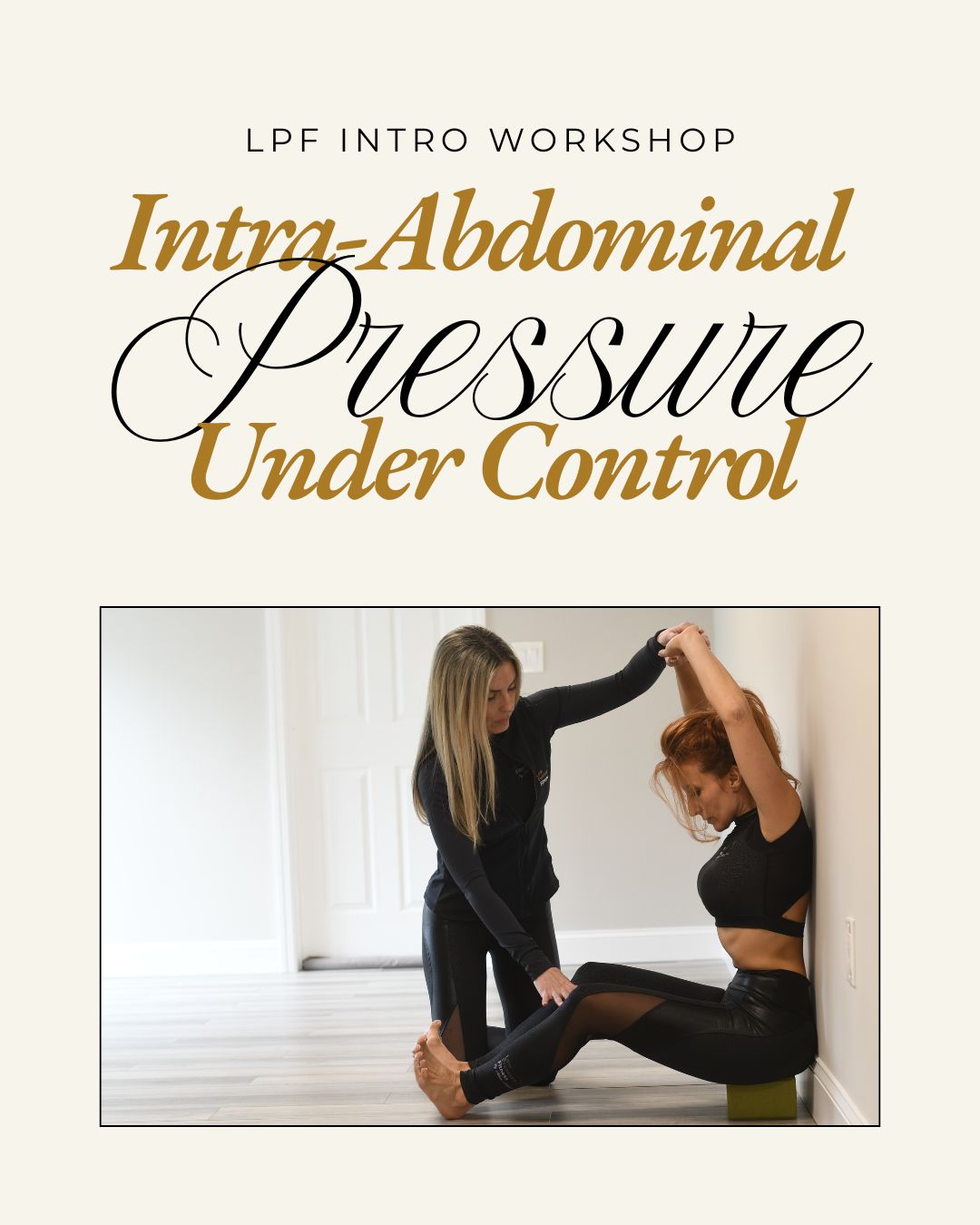
LPF Intro Workshop: "Intra-Abdominal Pressure Under Control"
2 Theory Sessions taught by Dr. Tamara Rial
9 Practical Sessions taught by Alexa Marine
Private Q&A space (direct contact with Alexa Marine)
BONUS 1: A complete 15-minute flow ready to use on yourself or your students from day one.
Limited-time extra bonus: VIP access to the next LIVE Masterclass in September with Alexa Marine (includes the event recording + exclusive interactive resources for VIP Access) — ($17 value — FREE).
And all of this with instant access, no expiration date, at your own pace.
Instant access · No expiration date · At your own pace